
 See Our Latest Article on HelloNation

What Is Referred Pain and Why Does It Matter?
Referred pain happens when pain is felt somewhere other than where the actual problem is located. This means discomfort in your shoulder or arm, for example, may be linked to an issue in your neck or back. Residents of Fulton, NY, frequently experience referred pain due to daily routines, physical activity, or sometimes from seasonal changes affecting posture and joint movement.
The way nerves are wired in the body often causes the brain to misinterpret the actual origin of discomfort. For example, heart problems can cause pain in the left arm, and irritated spinal nerves can be felt as pain in the hips or legs.
Why Does the Body Experience Pain in a Different Location?
Referred pain is primarily caused by the way nerves from different areas converge in the spinal cord. The brain isn’t always able to tell exactly where trouble is coming from if the nerves are “cross-talking.” Local activities, like shoveling snowy driveways or yard work during upstate winters, may aggravate back or neck structures, but the pain could show up in the leg, arm, or even the jaw.
Common sources of referred pain in this community include:
- Spinal conditions like herniated discs or joint irritation
- Muscular tension or injury
- Nerve entrapment
This makes it easy to confuse referred pain with unrelated conditions, sometimes delaying the right care.
What Are Common Examples Seen in the Fulton Community?
Locals often ask about pain that travels or feels “odd”—not matching where they expect. Here are scenarios often experienced:
- A person working on a ladder feels upper back pain that later appears as aching between the shoulder blades or along the arm.
- Area athletes dealing with a sore lower back experience tingling or numbness in the thigh or foot.
- Someone who spends long hours driving to neighboring towns for work notes jaw pain that connects to neck stiffness.
Confusion happens because referred pain doesn’t always cause symptoms at the actual source, making self-diagnosis challenging.
What Role Does Chiropractic Evaluation Play?
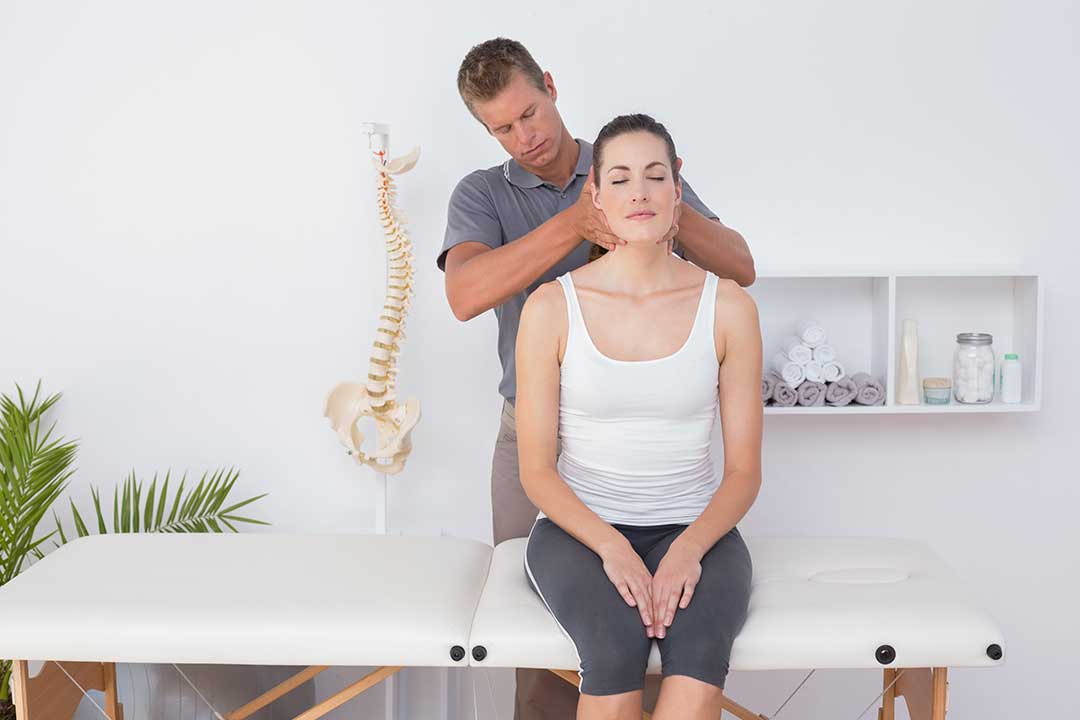
Chiropractic care is trained to assess nerve, muscle, and joint function as a system. A thorough evaluation includes physical examination, questions about daily life, and sometimes basic mobility screenings. In Fulton, this often involves looking for patterns caused by local pastimes, seasonal house chores, and physical work.
A trained assessment can help identify:
- Whether pain follows typical patterns for referred pain
- If nerve involvement is likely
- Whether daily habits or ergonomic factors contribute
This information helps guide safe next steps, including stretches, exercises, or possible advice about changing certain activities.
Can Exercises or Posture Changes Help with Referred Pain?
Simple changes at home, such as adjusting sitting posture or taking breaks from repetitive movement, can sometimes relieve the symptoms of referred pain. Common approaches include:
- Gentle stretching of the neck, back, and shoulders
- Using lumbar support during extended periods in seated positions (including while driving to and from local activities)
- Alternating tasks (like switching hands while carrying items or alternating shoveling sides)
- Periodic standing or walking to reduce pressure on one area
Many Fulton residents find these steps help manage discomfort, but persistent or worsening symptoms should prompt a review by a qualified provider. This ensures symptoms aren’t linked to more serious underlying conditions.
What Conditions Are Often Confused with Referred Pain?
It’s easy to mix up referred pain with other issues, especially since it doesn’t always match what people expect. Some common sources of confusion include:
- Localized muscle strain versus nerve referral
- Joint arthritis pain overlapping with symptoms radiating from the spine
- Conditions like carpal tunnel syndrome versus pain referred from the neck
This sometimes leads people to focus on treating the “end point” of the pain, such as a limb or joint, without addressing the underlying source.
How Can Residents Track and Share Helpful Information?
One practical tip for local families is to use a pain diary. Keeping track of:
- Where pain starts and where it travels
- When symptoms appear (after certain activities, weather changes, or rest)
- What improves or worsens the sensation
provides useful information for health providers in identifying patterns. In areas like Fulton, where weather, homes, and routines change with the seasons, noting these connections can be especially useful for uncovering what might be triggering or worsening referred pain.
Are There Situations Where Medical Review Is Urgent?
Certain symptoms should prompt immediate attention, as referred pain may rarely signal more severe health concerns. Community members should note:
- Sudden onset of severe pain with weakness, numbness, or loss of control in arms or legs
- Chest pain referred to the jaw, arm, or back, accompanied by sweating, shortness of breath, or nausea
- Symptoms that follow trauma, such as a fall on slippery sidewalks during winter
In these cases, a medical evaluation is important to rule out emergency conditions.
What Are Local Factors That Affect Referred Pain in Fulton?
The local climate with variable winters, frequent snow removal, and summer outdoor projects can all impact posture and body mechanics, increasing the chances of experiencing referred pain. Homes with stairs, older infrastructure, and seasonal activity shifts often mean more lifting, twisting, and repetitive movement, which can all play a role.
Awareness of these triggers—along with understanding how pain can be referred—helps area residents make smarter decisions about activity, recovery, and communication with their health providers.
