
 See Our Latest Article on HelloNation
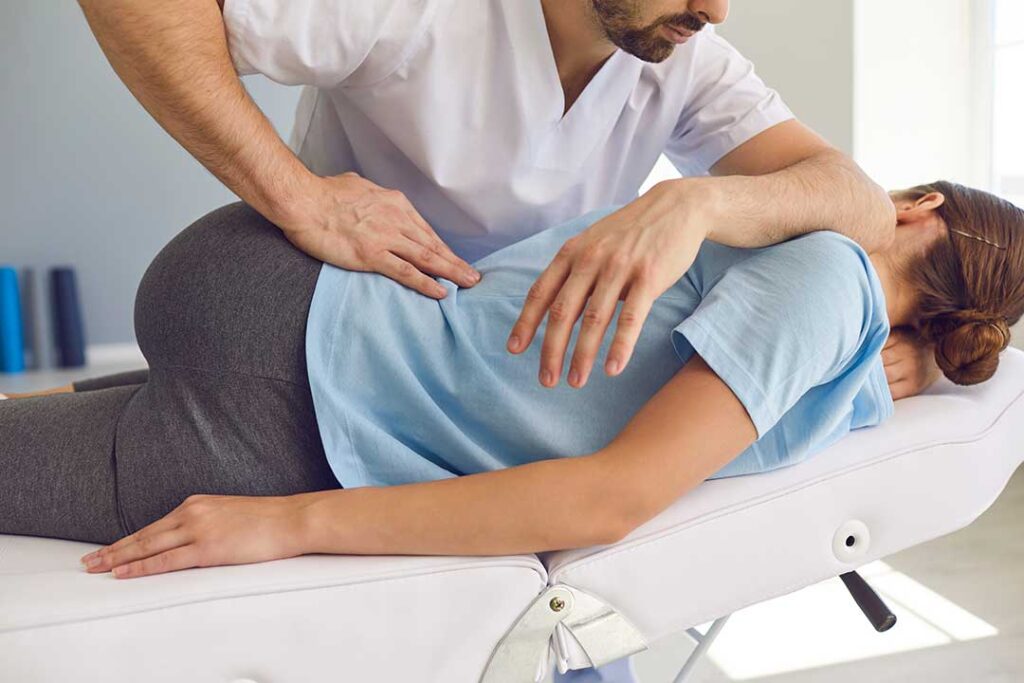
How Can Chiropractic Care Help Maintain Independence for Older Adults?
Gentle, targeted chiropractic care can help older adults maintain their mobility, making it easier to move independently and enjoy routine activities. By improving joint function and addressing common sources of pain or stiffness, these approaches often help seniors in the area stay more active and confident—whether that means walking local trails, gardening, shoveling snow, or simply navigating steps at home.
Unlike pharmaceuticals that may only mask discomfort, chiropractic methods focus on supporting the body’s own ability to move well. This is especially appealing for residents aiming for a natural, non-invasive way to overcome the functional challenges that can arise with age.
What Types of Mobility Issues Do Seniors Commonly Experience?
Aging bodies go through natural changes that often lead to mobility problems. In Fulton, many seniors deal with:
- Joint stiffness, especially after seasonal weather shifts
- Difficulty standing up or sitting down, such as rising from a favorite chair
- Reduced walking speed and confidence, potentially due to icy sidewalks or uneven ground in winter
- Trouble reaching, bending, or twisting, making daily chores more tiring
- Decreased balance and flexibility, increasing fall risk during routine activities
Addressing these issues proactively helps prevent further decline and reduces the likelihood of falls or injuries—an important safety concern for area households.
How Do Chiropractic Adjustments Improve Movement?
Chiropractic adjustments use precise, gentle pressure to restore normal movement to joints that may be limited or “locked up.” For seniors in the community, this can mean less stiffness in the back, hips, knees, or neck.
In many cases, improved joint movement leads to:
- Reduced pain during daily tasks such as walking or bending
- Easier transitions from sitting to standing
- Better balance and coordination, especially on uneven outdoor surfaces
- Greater comfort when engaging in active hobbies or exercise
Chiropractic care for older adults is often modified for comfort and safety, with many techniques using very low force or specialized instruments designed for fragile joints.
Can Chiropractic Care Help with Balance and Fall Prevention?
Addressing spinal alignment and restoring function in the feet, legs, and hips can play a significant role in stability for older adults. Chiropractors often include balance assessments and specific exercises alongside hands-on care to help seniors feel steadier on their feet.
Recent research suggests that targeted chiropractic adjustments, combined with mobility exercises, may lead to:
- Improved proprioception (awareness of body position)
- Increased ability to react to changes in terrain or unexpected obstacles
- Enhanced strength in supporting muscles, allowing better recovery if tripping
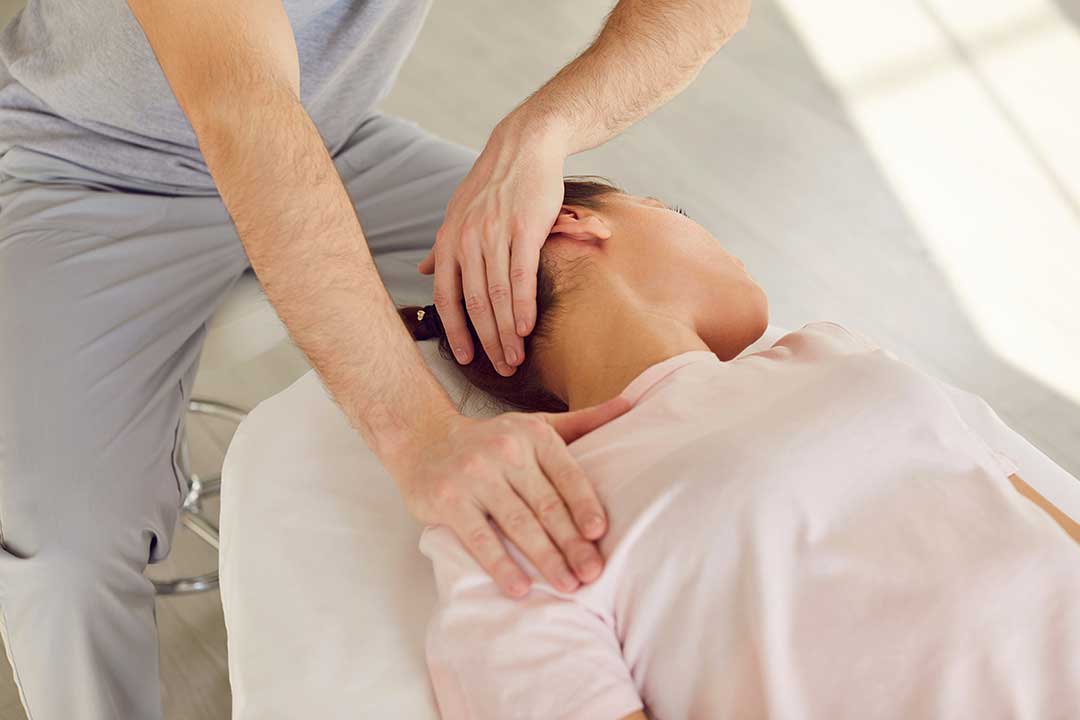
This proactive approach may be especially valuable during icy winters, when slips and falls are more likely around local sidewalks and driveways.
Are There Myths or Common Misunderstandings About Chiropractic for Seniors?
Many area residents wonder if chiropractic care is too aggressive or unsafe for older bodies. In reality, most chiropractors use special techniques suited to fragile bones and limited range of motion. Some myths include:
- "Adjustments are always rough" — Gentle, low-force methods are common for seniors.
- "Chiropractic is only for back pain" — Care can address joints throughout the body, from ankles to shoulders.
- "It replaces needed medical care" — Chiropractic is often used alongside traditional medical advice to manage movement and comfort.
It is always sensible for older adults to discuss any new treatment with their healthcare team, especially if they have conditions like osteoporosis, advanced arthritis, or recent fractures.
What Other Strategies Support Mobility in Addition to Chiropractic?
Chiropractic treatment is most effective when combined with lifestyle adjustments that support healthy movement. Many locals maintain mobility by:
- Participating in walking groups at local parks or malls, which promote circulation and joint lubrication
- Practicing safe stretching routines, often recommended alongside chiropractor visits
- Ensuring homes are free of trip hazards, especially in winter with wet boots and melting ice
- Considering supportive footwear for stability on snowy sidewalks
- Staying hydrated year-round, since dehydration can worsen joint stiffness
Combining gentle chiropractic approaches with these everyday practices can help preserve independence and keep seniors enjoying favorite activities—the sorts of simple pleasures that contribute greatly to quality of life in the area.
