
 See Our Latest Article on HelloNation
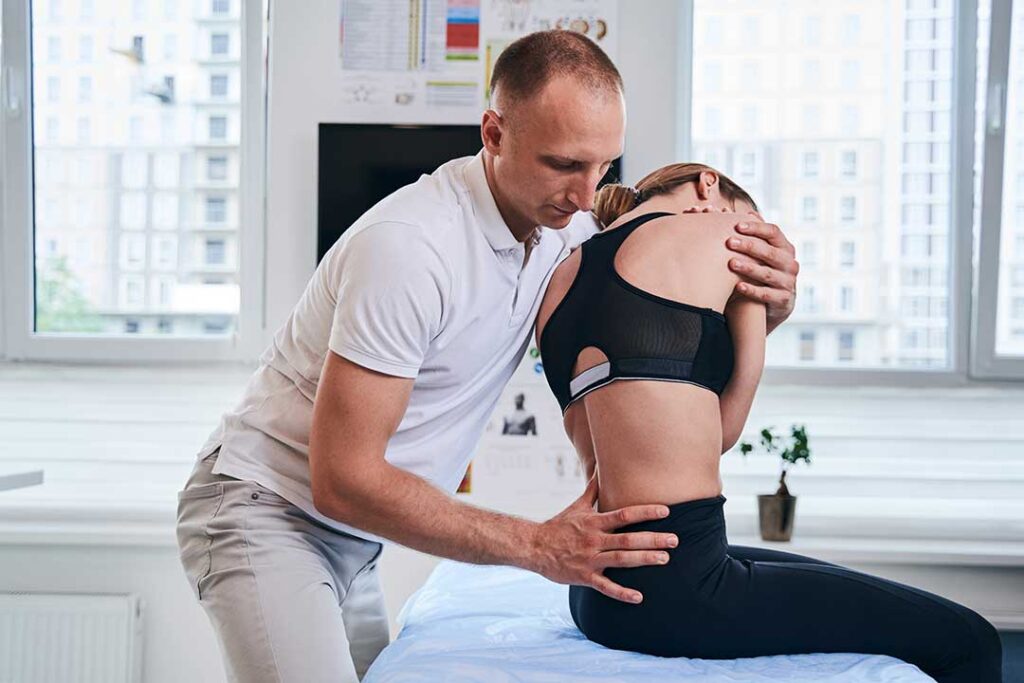
Migraines are neurological attacks that can involve throbbing head pain, nausea, light or sound sensitivity, and visual or sensory changes. Chiropractic care may help some people manage related neck discomfort or reduce headache burden, but current evidence does not support presenting spinal manipulation as a proven cure or replacement for established migraine treatment.
Can chiropractic care reduce migraine frequency?
Possibly, but the evidence remains limited and mixed.
Some studies have found that spinal manipulation may reduce the number of migraine days or lessen pain intensity. However, the research includes relatively small studies, varied treatment methods, and concerns about study quality. The National Center for Complementary and Integrative Health describes the evidence as inconclusive rather than definitive. ([nccih.nih.gov](https://www.nccih.nih.gov/health/providers/digest/headaches-and-complementary-health-approaches-science?utm_source=openai))
That distinction matters. A person may experience fewer headaches after addressing neck stiffness, muscle tension, sleep habits, or physical activity, but improvement does not prove that a spinal joint was the underlying cause of the migraine.
For someone living in Fulton, seasonal routines may also affect symptoms. Winter cold, changes in sleep schedules, indoor heating, dehydration, stress, and extended time sitting or using screens can overlap with common migraine triggers. These factors deserve attention alongside any hands-on treatment.
Why do migraines often include neck pain?
Neck pain is very common during migraine attacks, but it does not necessarily mean that a misaligned neck caused the migraine.
The American Migraine Foundation explains that neck pain may be part of the migraine itself. In one research discussion summarized by the organization, most people with migraine reported neck pain, and many did not have a structural abnormality that explained the symptom. ([americanmigrainefoundation.org](https://americanmigrainefoundation.org/resource-library/neck-pain-migraine/?utm_source=openai))
This is different from a cervicogenic headache. A cervicogenic headache begins in structures of the neck and may be associated with restricted neck movement, tenderness, or pain that changes with certain neck positions. Migraine can also cause nausea, light sensitivity, sound sensitivity, and visual symptoms, which are less typical of a purely neck-origin headache.
Because the two conditions can overlap, a careful evaluation should consider:
- Whether the headache starts after neck movement or injury
- Whether neck pain occurs only during the headache or also between attacks
- Whether nausea, aura, light sensitivity, or sound sensitivity are present
- How often headaches occur and how long they last
- Whether posture, sleep, stress, missed meals, weather changes, or screen use are contributing
What might chiropractic care involve?
Chiropractic care is not limited to high-velocity neck adjustments. Depending on training and the individual situation, care may include an examination, gentle joint mobilization, soft-tissue techniques, posture education, movement exercises, and advice about activity or workspace habits.
For migraine-related neck discomfort, lower-force approaches may be more appropriate than forceful rotation or manipulation. Treatment should be based on a clear assessment rather than the assumption that every migraine is caused by the same spinal problem.
Exercise and physical therapy-style approaches may also be relevant when a person has measurable neck weakness, reduced range of motion, or a separate musculoskeletal headache. Evidence for manual and exercise therapy is generally more established for cervicogenic headaches than for migraine itself, although even there, study quality varies. ([nccih.nih.gov](https://www.nccih.nih.gov/health/providers/digest/headaches-and-complementary-health-approaches-science?utm_source=openai))
Is neck manipulation safe for people with migraine?
Most reported side effects of spinal manipulation are temporary, such as soreness, stiffness, fatigue, increased pain, or a short-term headache. Serious neurological complications have been reported rarely, including problems involving arteries in the neck, although the exact level of risk and whether manipulation directly causes every reported event remain uncertain. ([nccih.nih.gov](https://www.nccih.nih.gov/health/spinal-manipulation-what-you-need-to-know?6df6a1c6_page=3&utm_source=openai))
Extra caution is warranted before neck manipulation if a person has:
- A recent head or neck injury
- A history of stroke or blood-vessel problems
- A known connective-tissue disorder
- Unexplained dizziness, fainting, or neurological symptoms
- Severe or unusual neck pain
- Recent surgery or significant osteoporosis
- Blood-clotting problems or medications that affect clotting

A person should also share current medications and relevant medical history before treatment. Migraine itself does not automatically make manipulation unsafe, but a history of migraine should not be used as a reason to assume that neck manipulation is necessary.
Should chiropractic care replace migraine medication?
No. Chiropractic care, if used, is generally best considered a complementary option rather than a substitute for migraine diagnosis, medication, or preventive care.
Common migraine treatment plans may include acute medicines taken during an attack, preventive medicines, behavioral strategies, sleep regularity, hydration, trigger tracking, and treatment of related conditions. The appropriate approach depends on headache frequency, severity, other health conditions, pregnancy status, medication use, and personal response.
Keeping a headache diary can make decisions more practical. Useful details include:
- Date and start time of each headache
- Duration and intensity
- Neck pain or stiffness
- Nausea, aura, or sensitivity to light and sound
- Sleep, meals, hydration, caffeine, and stress
- Weather or temperature changes
- Treatments used and whether they helped
This record can show whether symptoms are actually improving rather than relying on memory after several weeks.
When is a headache not appropriate for routine chiropractic care?
A new, rapidly worsening, or distinctly different headache should be medically evaluated before spinal treatment. Emergency evaluation is appropriate for a sudden “worst headache,” new weakness or numbness, confusion, fainting, trouble speaking, severe vision changes, fever with stiff neck, or a headache after significant trauma.
Other warning signs include a first headache after age 50, a major change in an established headache pattern, a persistent headache with cancer or immune-system concerns, or aura symptoms that are new, unusually prolonged, or do not fully resolve. The American Headache Society and American Migraine Foundation identify these types of changes as reasons to investigate causes other than routine migraine. ([americanheadachesociety.org](https://americanheadachesociety.org/research/library/overview-of-migraine-diagnosis?utm_source=openai))
What is a balanced expectation?
Chiropractic care may be reasonable for selected people who have migraine along with neck stiffness, posture-related discomfort, or a separate neck-related headache. The most realistic goal is often improved movement or reduced musculoskeletal pain—not a guaranteed end to migraine attacks.
A balanced plan avoids claims that the spine is the universal cause of migraine. It also recognizes that neck pain can be a symptom of migraine rather than proof of spinal misalignment. For residents in Fulton, tracking symptoms across changing seasons, work demands, indoor heating, sleep patterns, and daily routines can help clarify what is actually influencing headache frequency.
The safest approach is coordinated care: identify the type of headache, address urgent warning signs, use evidence-supported migraine strategies, and consider gentle complementary treatment only when its potential benefits and risks fit the individual situation.
