
 See Our Latest Article on HelloNation
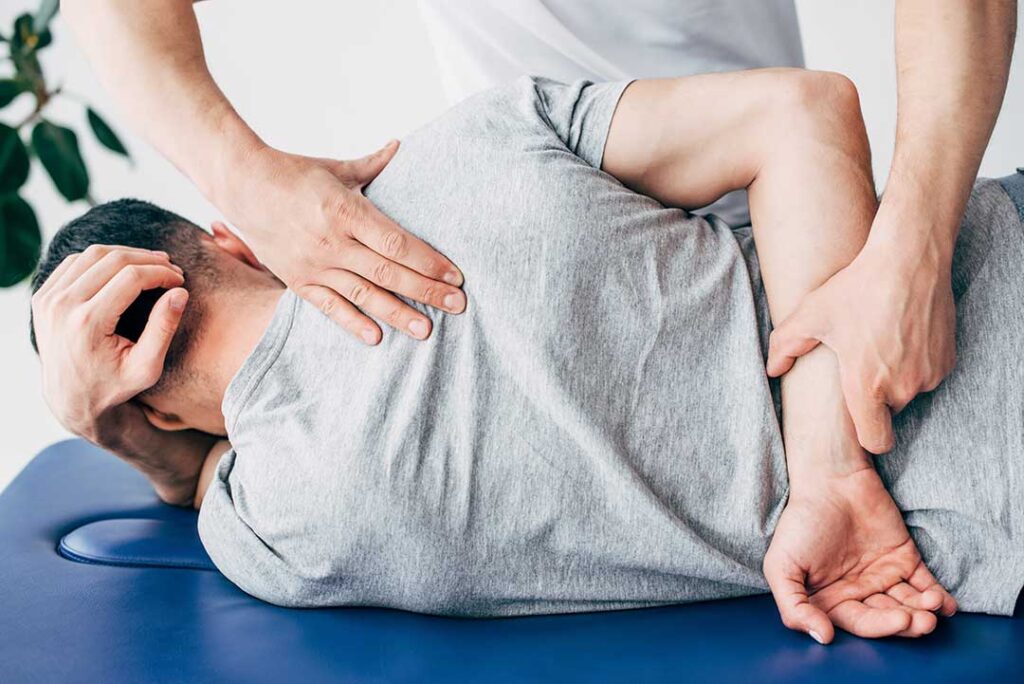
Daily chores rarely feel like exercise, yet lifting laundry baskets, shoveling snow, reaching into cupboards, vacuuming, and working outdoors can place repeated stress on the spine. The safest approach is not to avoid movement, but to use better body mechanics, vary positions, and recognize when discomfort may signal more than ordinary muscle fatigue.
Why can ordinary chores cause back pain?
Most chore-related back pain develops from a combination of bending, twisting, lifting, and repetition. A single movement may not be harmful, but hundreds of awkward movements can gradually irritate muscles, joints, discs, or supporting ligaments.
The spine handles pressure best when weight stays close to the body and movement is shared by the hips, legs, and upper back. Problems often arise when someone bends at the waist, reaches far away, and twists at the same time. That combination increases the mechanical demand on the lower back.
Fatigue also changes posture. As muscles tire, people may round their backs, lock their knees, or use quick jerking motions. Chores that take longer than expected—such as clearing storm debris, moving stored items, or preparing a home for colder weather—can make this more likely.
How should lifting be done at home?
Lift with a stable stance, keep the object close, and turn with the feet rather than twisting through the waist.
Before lifting:
- Estimate the object’s weight and decide whether it can be divided into smaller loads.
- Clear the path, especially around stairs, doorways, rugs, and wet floors.
- Stand with the feet about hip-width apart.
- Move close enough that the object does not have to be reached for.
During the lift, bend at the hips and knees while keeping the spine in a comfortable, neutral position. Tightening the abdominal muscles gently can provide support, but forcing the stomach inward or holding the breath is unnecessary. Rise by pushing through the legs.
Avoid lifting while leaning and rotating at the same time. If the object needs to be moved to the side, set it down or pivot the entire body so the feet, hips, and shoulders turn together.
A common misconception is that every lift must involve a perfectly straight back. The goal is not rigid posture. A comfortable, controlled position with the load close to the body is more useful than trying to hold the back unnaturally stiff.
What is the safest way to handle laundry and household storage?
Laundry often involves several small but repeated stresses. A full basket held away from the body can be more demanding than a heavier object held close.
Use smaller loads when possible, and carry the basket with both hands near the waist. For laundry machines with low openings, avoid repeatedly bending and twisting. Squat or kneel with support, place one hand on a stable surface, and turn the whole body as clothes are transferred.
For shelves, cabinets, and storage bins, avoid reaching overhead while holding weight. Bring items toward the front before lifting them. Store frequently used objects between about knee and shoulder height when practical. Heavy seasonal items are safer in smaller containers than in one large, overloaded bin.
If a box must be placed on a high shelf, first lift it to waist level, reposition the feet, and then raise it without arching the lower back. A step stool may reduce overreaching, but it should be placed on a level surface and used without carrying an unstable load.
How can vacuuming, sweeping, and mopping be easier on the spine?
The handle should be long enough to allow an upright posture. Keep the movement close to the body and use the legs and shoulders rather than repeatedly bending from the waist.
When vacuuming or sweeping, take short steps and move the tool with controlled strokes. Avoid leaning far forward and pulling the handle back with one arm. Change hands periodically and switch direction so that one side of the back is not doing all the work.
For mopping, wring the mop without forceful twisting if possible. A long-handled tool can help, but it does not eliminate the need to change position. Rather than working continuously in one direction, reposition the feet and turn the body toward the area being cleaned.
Brief posture changes every few minutes are often more helpful than trying to maintain one “perfect” position throughout a chore.
What should residents consider during snow removal and outdoor work?
Winter conditions in Fulton can make snow and ice removal especially demanding. Cold muscles may feel less flexible, while uneven surfaces increase the risk of slipping or suddenly catching a foot. Snow can also become heavier as it compacts or becomes wet.
For shoveling:
- Push snow when possible instead of lifting it.
- Use a manageable amount on the shovel.
- Keep the shovel load close to the body.
- Walk to the place where snow will be deposited rather than throwing it with a twisting motion.
- Alternate sides periodically.
- Take breaks before fatigue causes posture to deteriorate.

Wear footwear with good traction and clear a safe path before moving larger amounts of snow. If an icy surface, heavy accumulation, or unstable debris creates a serious fall risk, the safest choice may be to avoid the hazardous task rather than attempt it while tired or alone.
Spring and autumn yard work can also strain the spine. Raking, gardening, and moving branches involve repeated reaching and rotation. Work in shorter intervals, change tasks, and use kneeling support or a small seat for low work instead of bending forward continuously.
How often should a person take breaks?
Breaks are useful before pain becomes strong. For repetitive chores, change position or task every 15 to 30 minutes, depending on the activity and the person’s tolerance. A short walk, gentle standing extension, or relaxed shoulder movement may reduce stiffness.
Rest does not have to mean lying down for a long period. Extended inactivity can sometimes increase stiffness after a minor strain. Light movement that does not worsen symptoms is generally more helpful than forcing through severe pain or remaining completely still.
Hydration, adequate sleep, and suitable clothing also matter. Fatigue and cold exposure can reduce coordination, making awkward lifting or slipping more likely.
When is back pain after a chore a warning sign?
Mild soreness that improves with rest and gentle movement may reflect temporary muscle irritation. However, medical evaluation is appropriate when pain is severe, worsening, or interfering with normal walking and daily activities.
Prompt attention is especially important for:
- Numbness, tingling, or weakness in a leg
- Pain traveling below the knee
- Loss of bladder or bowel control
- Numbness around the inner thighs or groin
- Fever, unexplained weight loss, or feeling unusually ill
- Back pain after a significant fall or impact
- New symptoms in someone with a history of cancer, major bone weakness, or serious infection risk
Sudden weakness, loss of coordination, or bladder or bowel changes require urgent medical care. These symptoms should not be attributed to a routine household strain.
Protecting the spine during chores is mainly a matter of managing load, distance, repetition, and fatigue. Keeping objects close, turning with the feet, using smaller loads, preparing for slippery seasonal conditions, and changing positions can make everyday work more manageable for households throughout Fulton.
