
 See Our Latest Article on HelloNation
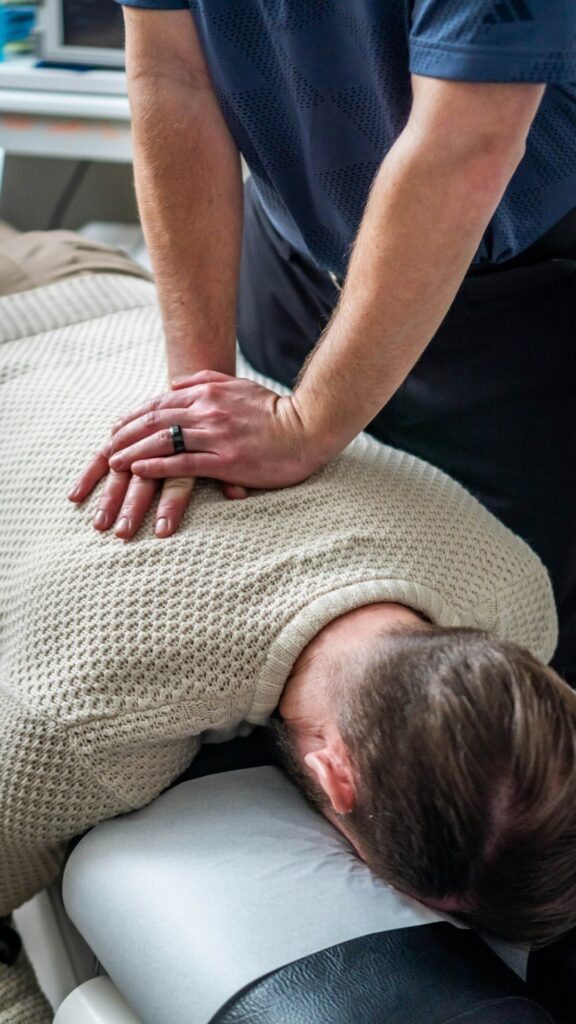
Chiropractic adjustments are sometimes used as part of a broader plan for managing musculoskeletal discomfort, restoring comfortable movement, and supporting an athlete’s return to activity. They may be helpful for certain problems involving the back, neck, pelvis, or joints, but they are not a replacement for medical evaluation, rehabilitation, strength training, or sport-specific conditioning.
What is a chiropractic adjustment?
A chiropractic adjustment, also called spinal manipulation, uses a controlled manual force or instrument-assisted technique to move a joint through a specific range. The goal may be to reduce stiffness, improve joint motion, or ease pain related to muscles and joints.
For athletes, adjustments are usually considered alongside other care rather than as a stand-alone solution. A complete approach may include movement assessment, mobility exercises, strengthening, balance work, changes to training volume, and advice about recovery.
The adjustment itself does not “put every bone back into place.” Joints naturally move within a range, and normal activities can create temporary stiffness or irritation without causing a bone to become displaced.
What benefits might athletes notice?
The most realistic potential benefits involve movement and short-term symptom relief. Some athletes report feeling less restricted after an adjustment, particularly when stiffness affects the low back, mid-back, neck, hips, or certain extremity joints.
Possible benefits include:
- Reduced perception of pain or soreness
- Improved short-term joint mobility
- Easier movement during warmups or daily activities
- Greater comfort while completing prescribed exercises
- Support during a gradual return to training after minor musculoskeletal problems
Research is strongest for modest improvements in some forms of low-back pain. Evidence for improved athletic performance, faster healing of injuries, or prevention of all sports injuries is much less certain.
An athlete may move more comfortably after an adjustment, but that does not necessarily mean the underlying tissue has healed. Pain reduction should be treated as one piece of information, not permission to immediately resume full-intensity training.
Can adjustments improve sports performance?
There is not enough consistent evidence to say that routine chiropractic adjustments directly make healthy athletes faster, stronger, or more coordinated. An adjustment may help an athlete who is limited by stiffness or discomfort move more freely, but performance still depends on conditioning, technique, sleep, nutrition, recovery, and appropriate training progression.
For example, a runner with restricted hip or back movement may feel more comfortable during a stride after treatment. That change can make mobility drills easier, but strength and running mechanics still need attention. Similarly, a person who plays on uneven outdoor surfaces may experience recurring ankle, knee, or hip stress that cannot be solved through spinal treatment alone.
Which sports-related problems may be appropriate for evaluation?
Adjustments may be considered for some uncomplicated musculoskeletal complaints, such as activity-related back stiffness, restricted spinal movement, or certain joint mobility problems. They may also be used as one part of a plan for athletes who are returning to activity after a mild strain or overuse problem.
They are not appropriate for every sports injury. An adjustment should not be used to delay evaluation of:
- A suspected fracture or dislocation
- Severe swelling, deformity, or inability to bear weight
- Progressive weakness, numbness, or loss of coordination
- Loss of bladder or bowel control
- Severe pain after a collision, fall, or direct blow
- Fever, unexplained weight loss, or unexplained night pain
- A concussion or symptoms following a head injury
Neck manipulation deserves particular caution. Sudden neck pain, dizziness, double vision, trouble speaking, facial weakness, severe headache, or unusual neurological symptoms require urgent medical attention rather than routine manipulation.
Are adjustments useful before or after a workout?
Timing should depend on the athlete’s symptoms and the purpose of treatment. Some people may feel temporarily sore, tired, or stiff after an adjustment, so strenuous training immediately afterward may not be appropriate.
A reasonable plan may include:
- Light movement and hydration after treatment
- Avoiding a sudden increase in lifting, sprinting, jumping, or contact activity
- Following mobility or strengthening exercises as directed
- Monitoring symptoms for the next day
- Returning to higher intensity only when movement and function remain comfortable

In the winter months, local athletes may move between cold outdoor conditions and heated indoor facilities. Cold muscles can feel stiffer, while rushed warmups can increase strain risk. A gradual warmup, appropriate clothing, and controlled training progression remain useful whether or not an athlete receives chiropractic care.
What are the risks?
Most people experience no serious problem from appropriately performed spinal manipulation, but temporary effects can occur. These may include mild soreness, stiffness, increased discomfort, or headache, often resolving within a short period.
Serious complications are rare but have been reported. Risk may be higher for people with certain health conditions, bone weakness, inflammatory disorders, blood-clotting problems, neurological disease, recent trauma, or other factors that affect safety.
Before treatment, an athlete should provide a complete health history, including:
- Recent injuries or surgeries
- Current medications
- Numbness, weakness, or radiating pain
- Headaches or dizziness
- Bone, joint, or connective-tissue conditions
- Pregnancy
- Previous reactions to manipulation
A careful evaluation should determine whether an adjustment is appropriate, whether a different technique is safer, or whether another type of medical care is needed.
How should athletes judge whether treatment is helping?
Useful measures are functional rather than based only on how the joint feels immediately afterward. An athlete can track whether treatment is associated with improvements such as:
- Walking, running, lifting, or throwing with less discomfort
- Better range of motion
- Improved tolerance of rehabilitation exercises
- Fewer interruptions in practice
- More consistent recovery between training sessions
If symptoms repeatedly return as soon as normal training resumes, the underlying issue may involve workload, technique, footwear, equipment, sleep, strength imbalance, or insufficient recovery. Repeated adjustments without addressing those factors are unlikely to provide a complete solution.
What is the most balanced approach?
For athletes in Fulton, chiropractic adjustments may be a reasonable complementary option for selected musculoskeletal problems, especially when the goal is improved comfort and mobility. The strongest approach combines symptom management with active rehabilitation.
That usually means gradually rebuilding strength, coordination, endurance, and confidence in the injured area. Medical evaluation is warranted when symptoms are severe, unusual, persistent, or connected to significant trauma. Adjustments should support safe movement—not replace diagnosis, rehabilitation, or sound training practices.
