
 See Our Latest Article on HelloNation
Neck pain can begin with something ordinary: a long workday at a computer, looking down at a phone, sleeping in an awkward position, or clearing snow after the first heavy storm. Most cases are related to muscle strain, joint irritation, posture, or repetitive movement, but certain symptoms require prompt medical attention.
For residents of Fulton, NY, seasonal activities, commuting, household work, and long periods indoors during colder weather can all influence how the neck feels. Understanding the likely cause is a useful first step toward prevention.
What are the most common causes of neck pain?
The most common causes involve muscles, joints, discs, nerves, or a combination of these structures.
Muscle strain often develops after holding the head in one position for too long. Computer work, reading, sewing, driving, and frequent phone use can keep the neck muscles contracted for hours. Looking down at a small screen may be especially irritating because the head shifts forward, increasing the workload on the neck and upper back.
Poor posture does not usually cause pain from a single episode. Instead, discomfort may build gradually when the ears stay in front of the shoulders, the upper back rounds, or the shoulders remain raised. A poorly arranged desk, low laptop, or soft chair can encourage these positions.
Repetitive activity is another frequent contributor. Painting, lifting, reaching overhead, yard work, snow shoveling, and carrying items on one side of the body may strain the neck and shoulder muscles. Sudden increases in activity are more likely to cause soreness, particularly when the body has been less active during winter.
Joint changes can become more noticeable with age. The small joints and discs in the neck may gradually lose flexibility, leading to stiffness, reduced range of motion, or pain that worsens after inactivity. Arthritis-related discomfort may be more apparent first thing in the morning or after a long drive.
Nerve irritation can occur when a disc or bony change places pressure near a nerve. Pain may travel from the neck into the shoulder, arm, or hand. Numbness, tingling, or weakness is more concerning than ordinary muscle soreness.
Injuries include falls, sports impacts, and sudden forward-and-backward movement of the head during a collision. Even when the pain initially seems mild, symptoms can become more noticeable over the following hours.
Stress can also contribute. Emotional tension often causes people to tighten the jaw, elevate the shoulders, or hold the neck rigidly. That muscle tension can add to pain from posture or overuse.
How can daily posture reduce neck strain?
Keeping the head balanced over the shoulders is more helpful than trying to maintain a rigid “perfect” posture. The goal is to change positions regularly and avoid staying at the end range of a movement for long periods.
At a desk:
- Place the top portion of the monitor near eye level.
- Keep the screen directly in front of the body rather than turned to one side.
- Let the shoulders rest instead of lifting them toward the ears.
- Support the lower back and keep both feet supported when possible.
- Use a separate keyboard if a laptop screen is too low.
For phone and tablet use, raise the device closer to eye level instead of bending the neck down for extended periods. This does not require holding the screen high continuously; alternating hands, changing position, and taking frequent breaks are equally useful.
A practical reminder is to move every 30 to 60 minutes. Stand, walk briefly, roll the shoulders gently, or look across the room. Short movement breaks are usually more sustainable than waiting until the neck becomes painful.
What is the safest way to handle seasonal activities?
Cold-weather tasks can be harder on the neck when the body is stiff, rushed, or working against resistance. Before shoveling snow, carrying salt, or doing outdoor maintenance, spend a few minutes walking and moving the shoulders and arms comfortably.
Use these habits:
- Push snow when possible rather than lifting large loads.
- Keep the shovel close to the body.
- Bend through the hips and knees instead of rounding the upper back.
- Avoid twisting while holding a heavy shovel.
- Switch sides periodically.
- Take breaks before fatigue changes your technique.
The same principle applies to spring yard work and home projects. Break larger tasks into shorter sessions, alternate activities, and avoid repeatedly reaching overhead without rest.
Can sleep position cause neck pain?
Yes. An awkward sleeping position can irritate muscles and joints, particularly if the pillow forces the head sharply upward, downward, or to one side.
A pillow should keep the neck reasonably aligned with the rest of the spine. Side sleepers may need enough height to fill the space between the shoulder and head, while back sleepers often prefer a lower profile. Stomach sleeping commonly places the neck in prolonged rotation and may be uncomfortable for people who already have stiffness.
Replacing a pillow is not always the answer. Check whether the problem is related to sleeping position, mattress support, or spending too much time in one posture during the day.
Which exercises may help prevent recurring neck pain?
General physical activity supports strength, endurance, and mobility throughout the body. Walking, gentle resistance training, and exercises for the upper back can help people tolerate daily tasks more comfortably.
Useful movements may include:
- Shoulder blade squeezes without shrugging.
- Gentle chin retractions, keeping the head level rather than looking down.
- Comfortable neck rotations within a pain-free range.
- Upper-back strengthening with light resistance.
- Walking to reduce prolonged sitting.
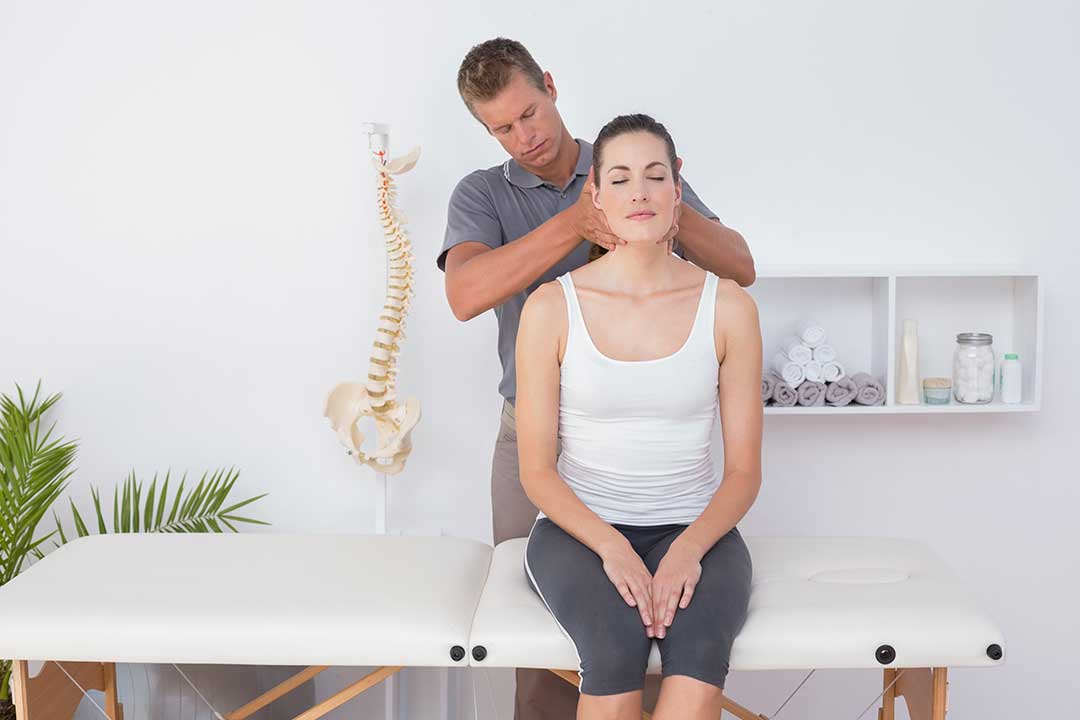
Movements should be slow and controlled. Stretching or strengthening should not produce sharp pain, increasing numbness, dizziness, or weakness. People with a known neck condition, recent injury, or significant symptoms should receive individualized medical guidance before starting exercises.
When is neck pain a warning sign?
Neck pain after a major fall, collision, diving incident, or other injury warrants urgent evaluation, especially if the pain is severe or neck movement is very limited.
Prompt medical attention is also appropriate when neck pain occurs with:
- Numbness, tingling, or weakness in an arm or leg.
- Pain spreading into the arm or hand.
- Loss of balance, coordination, or grip strength.
- A severe or unusual headache.
- Fever, confusion, or marked illness.
- New bowel or bladder control problems.
- Symptoms that continue to worsen rather than gradually improve.
Ordinary muscle soreness often begins improving with rest, gentle movement, and reduced strain. Pain that remains intense, repeatedly returns, or interferes with sleep and normal activities deserves a careful evaluation rather than repeated self-treatment.
What prevention habits are most realistic?
Prevention does not require avoiding movement or keeping the neck perfectly still. It usually depends on several modest habits practiced consistently:
- Change positions throughout the day.
- Keep screens closer to eye level.
- Build activity gradually after periods of inactivity.
- Strengthen the upper back, shoulders, and trunk.
- Use safe lifting and snow-removal techniques.
- Pay attention to sleep alignment.
- Address stress-related shoulder and jaw tension.
- Take persistent or neurologic symptoms seriously.
For people in Fulton, the combination of indoor screen time, winter driving, snow removal, and seasonal home maintenance makes alternating activity and recovery especially practical. A neck-friendly routine is less about one ideal posture and more about frequent movement, sensible pacing, and recognizing symptoms that should not be ignored.
